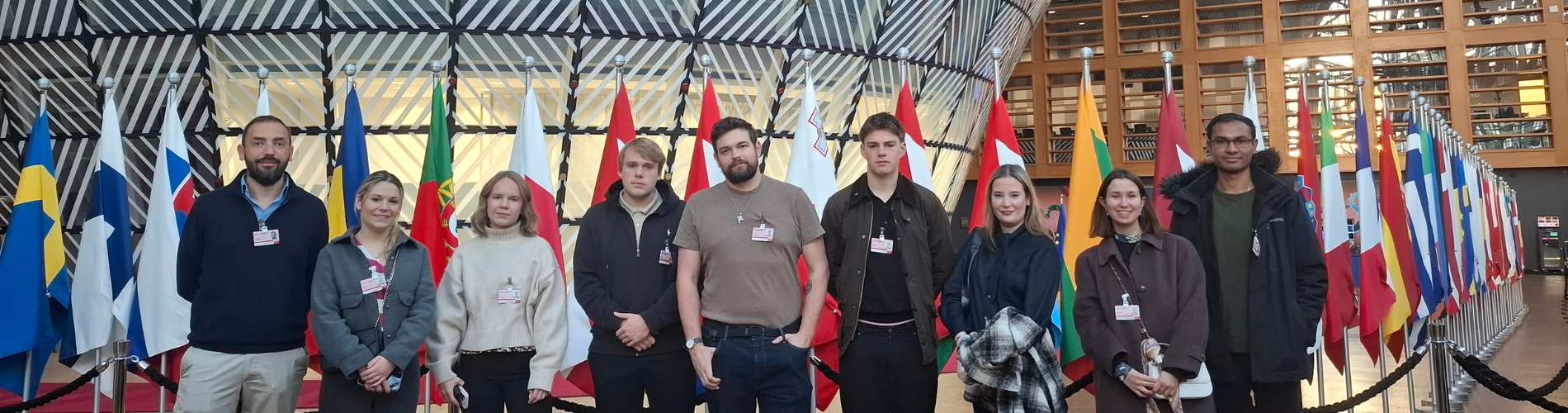

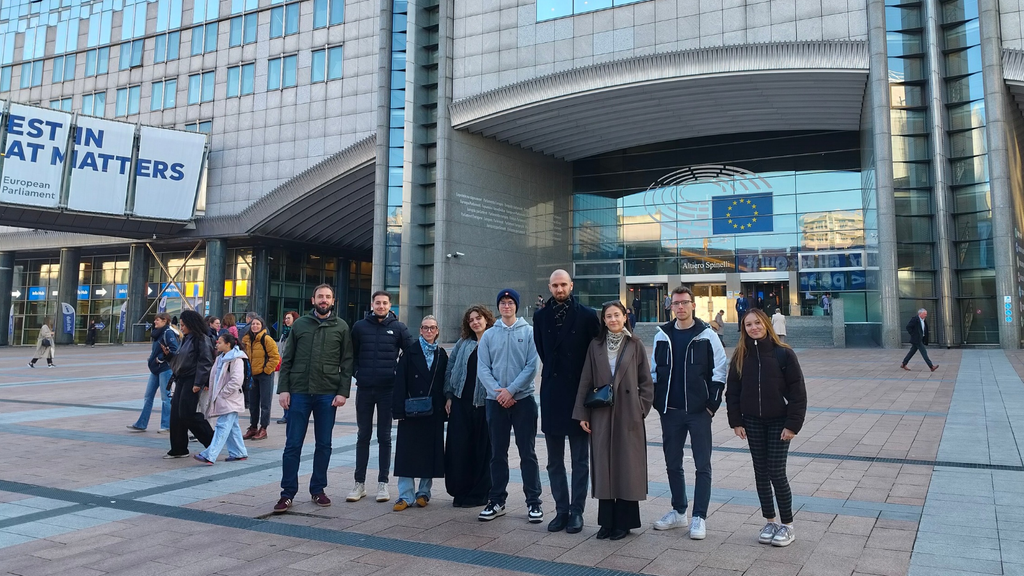
On 4–6 November, Eurhonet welcomed early-career professionals from Austria, Germany, Sweden and the UK to Brussels for our Early Careers Programme.
Over three days, participants explored the European housing landscape, learned about EU decision-making and shared some of the challenges facing their own organisations. The programme combined presentations with study visits, practical workshops and group discussions.
We started by learning from each other. Each participant introduced their organisation, its current priorities and a project they are proud of. Although our national and regional contexts can be very different, many of the challenges we face are surprisingly similar.
Understanding how European policy impacts housing organisations
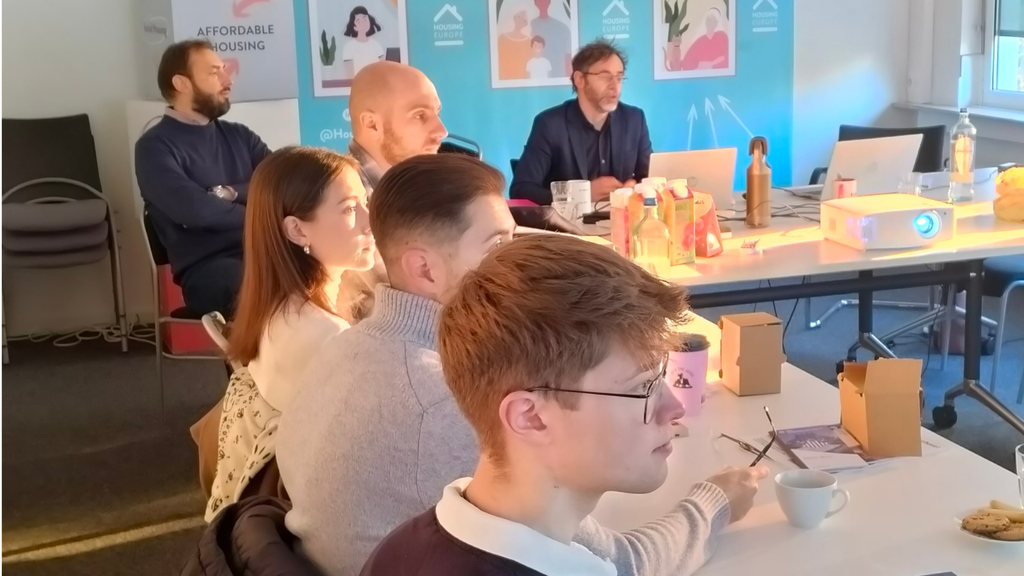
Julien Dijol from Housing Europe introduced the EU policy context. We discussed challenges including adapting homes to heatwaves, unused housing alongside highly pressured markets, and uncertainty around funding, before looking at how EU policies affect housing providers in practice.
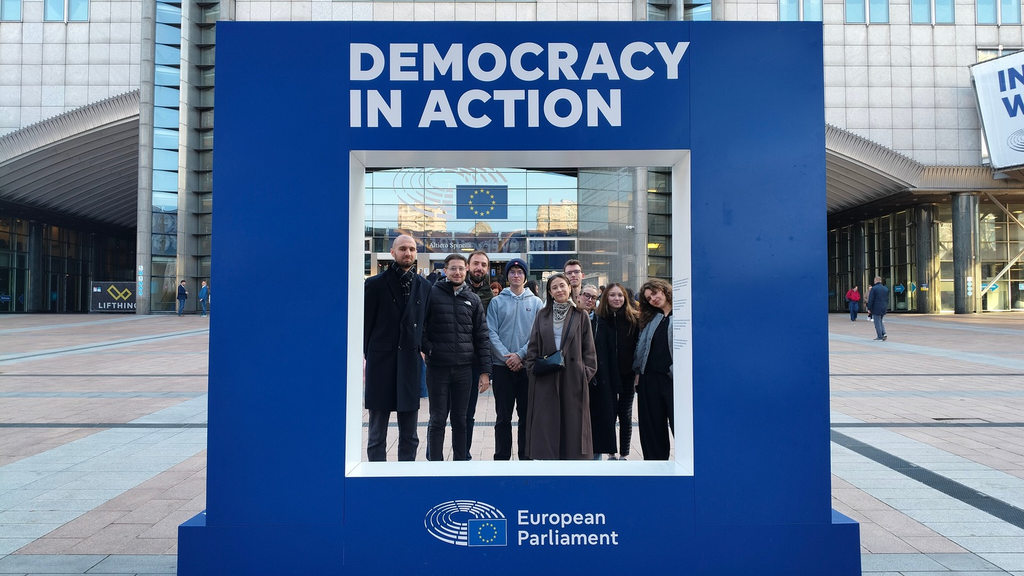
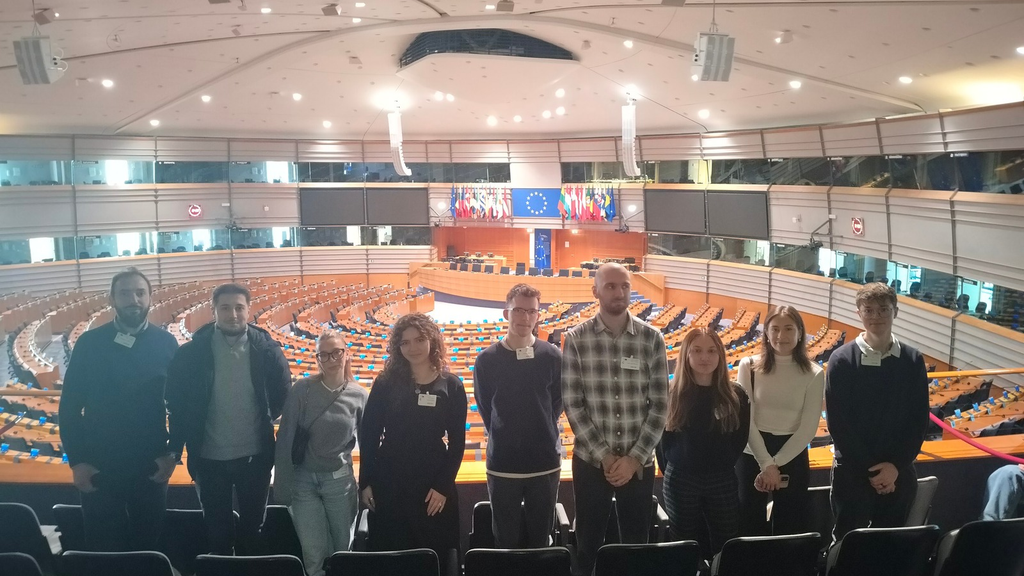
A visit to the European Parliament then gave participants a closer look at the EU policymaking process. An introductory talk covered how policy is made and the values underpinning the EU, followed by a visit to the Hemicycle.
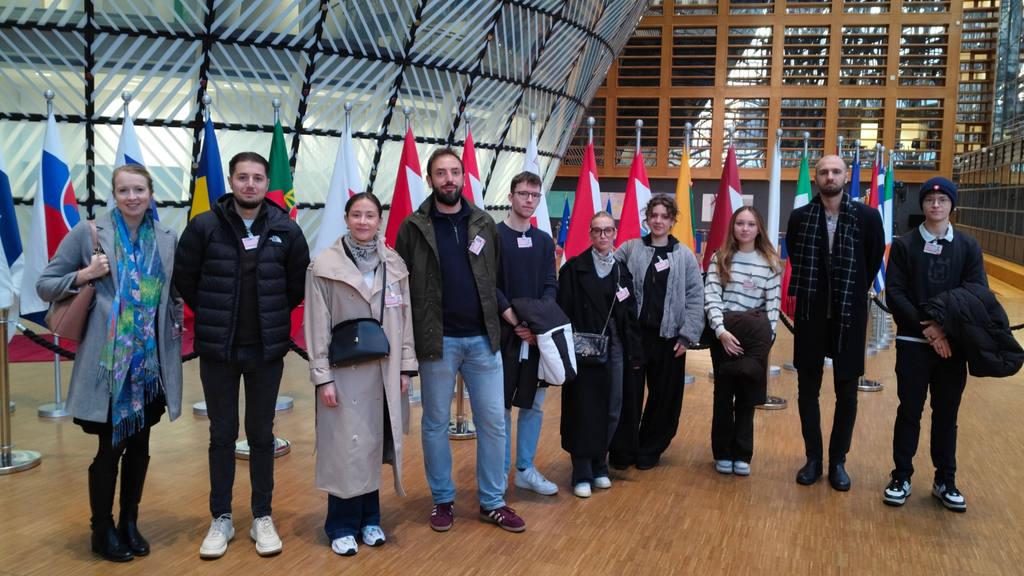
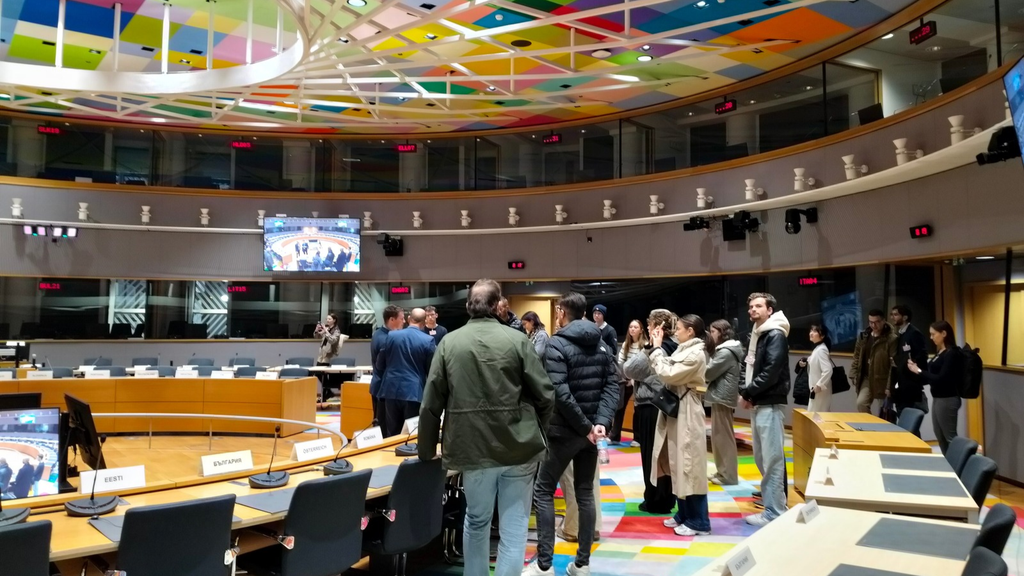
Participants also visited the European Council, where they sat in the seats normally used by EU heads of state or government. Here, we learned more about the different roles of the EU institutions. The visit helped make the processes we had been discussing throughout the programme much more tangible.
Becoming a housing CEO for an hour
Having looked at some of the challenges facing the sector, participants were then asked to become a housing CEO for an hour.
Working in pairs, they had to decide which three priorities a fictional social housing organisation should focus on over the next five years. Their choices included areas such as energy-efficiency renovation, community engagement, better digital services and adapting homes for older people.
Participants also thought about the impact of their decisions on residents, as well as what might have to be de-prioritised when resources are limited.
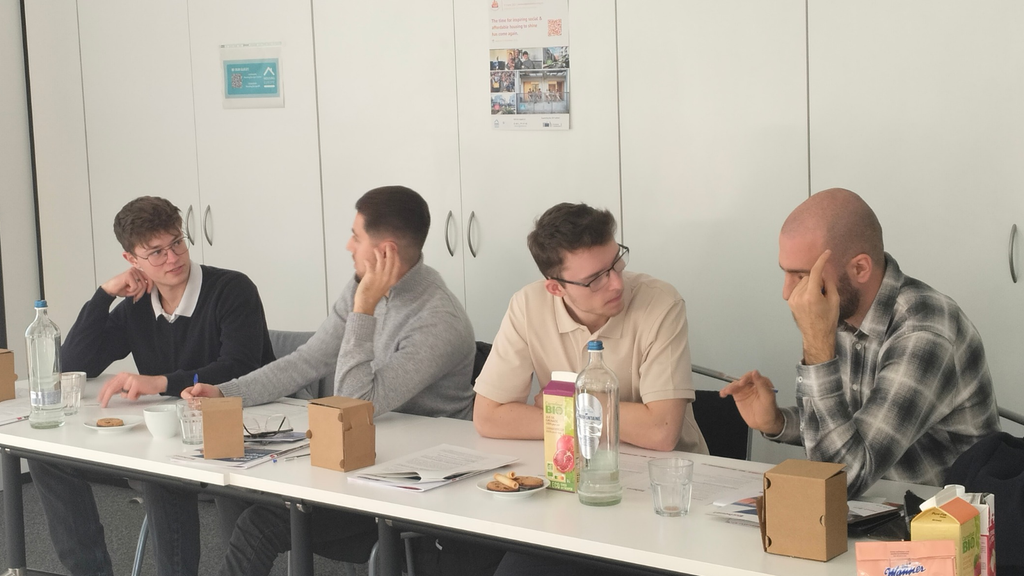
Building confidence: presentation techniques
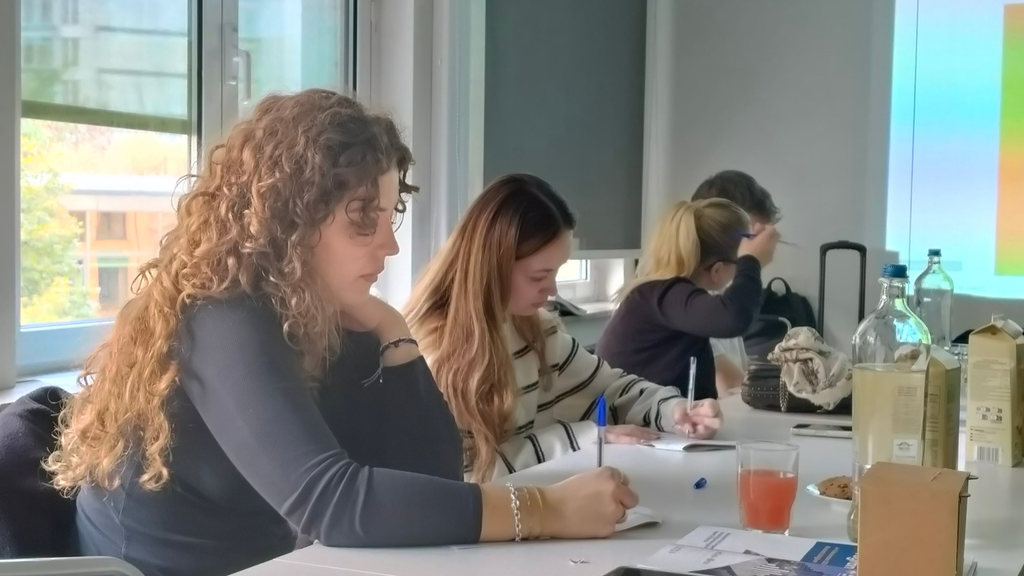
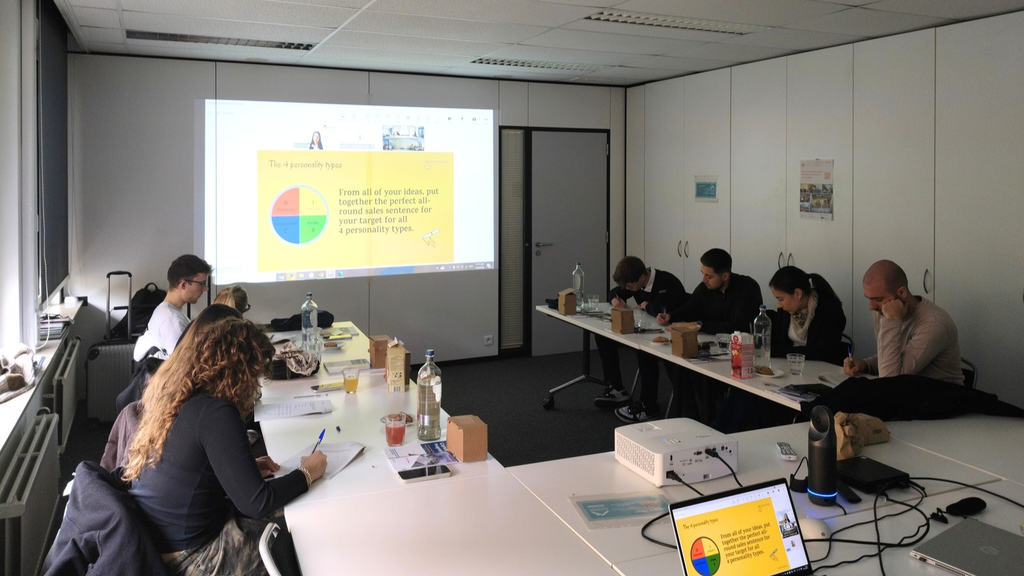
Another highlight was a workshop led by Jennifer Nickel – Eurhonet’s Talent Academy Coordinator – on presentation techniques.
Using the DISC model, participants looked at how different people communicate and receive information, and how presentations can be adapted to engage different audiences. The session gave participants practical techniques for structuring and delivering their ideas more effectively.
Looking at housing in Brussels
Brussels itself also provided an important part of the Programme, with its interesting housing context. The Brussels-Capital Region has just over 609,000 homes, including around 41,000 social housing units. Almost half of households consist of one adult living alone, while more than a quarter of residents live below the at-risk-of-poverty threshold (all figures from Brussels Institute for Statistics and Analysis, 2026).
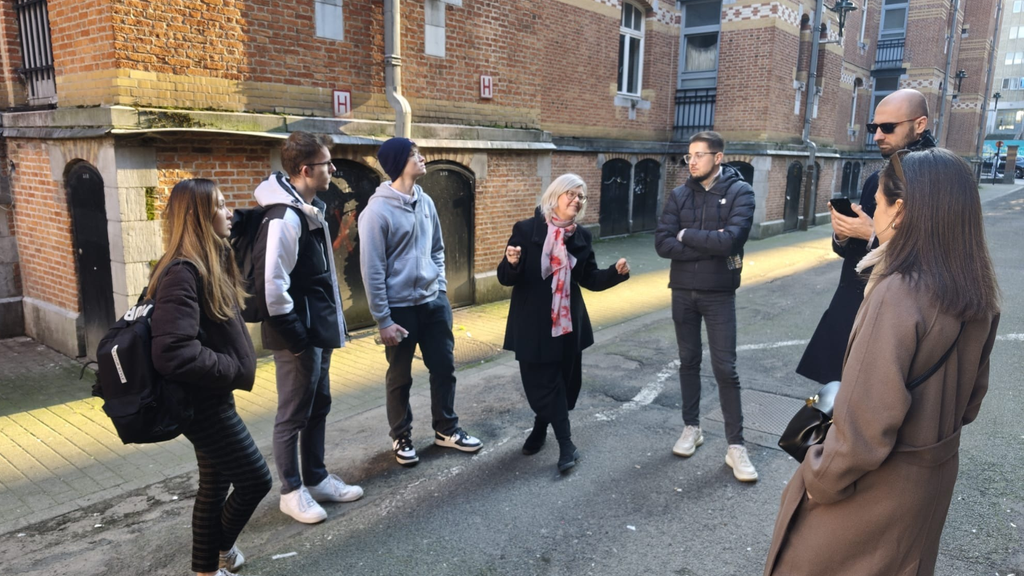
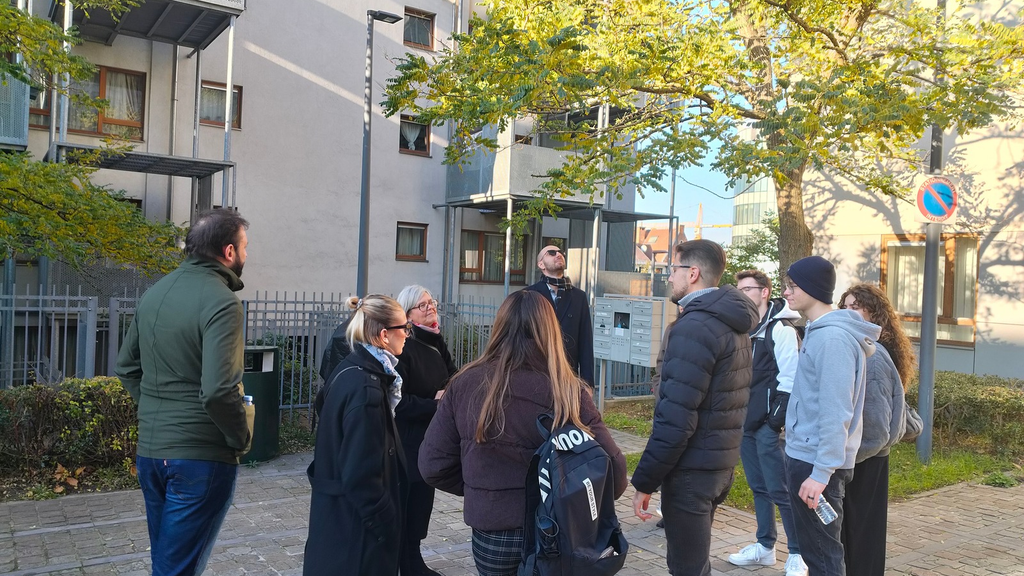
During a study visit to the Marolles, participants looked more closely at some of these housing and urban-development issues. The neighbourhood has a long history of social housing and resident mobilisation around urban development.
Guided by ARAU, the group visited social housing developments including Cité Hellemans and La Querelle. Built at very different times, the two developments show how approaches to social housing have changed, from architecture and density to shared spaces and renovation.
The visit also raised a question that is highly relevant to Brussels but also to many other European cities: how can we improve and develop central neighbourhoods while keeping homes affordable for people of all incomes?
Learning across organisations and countries
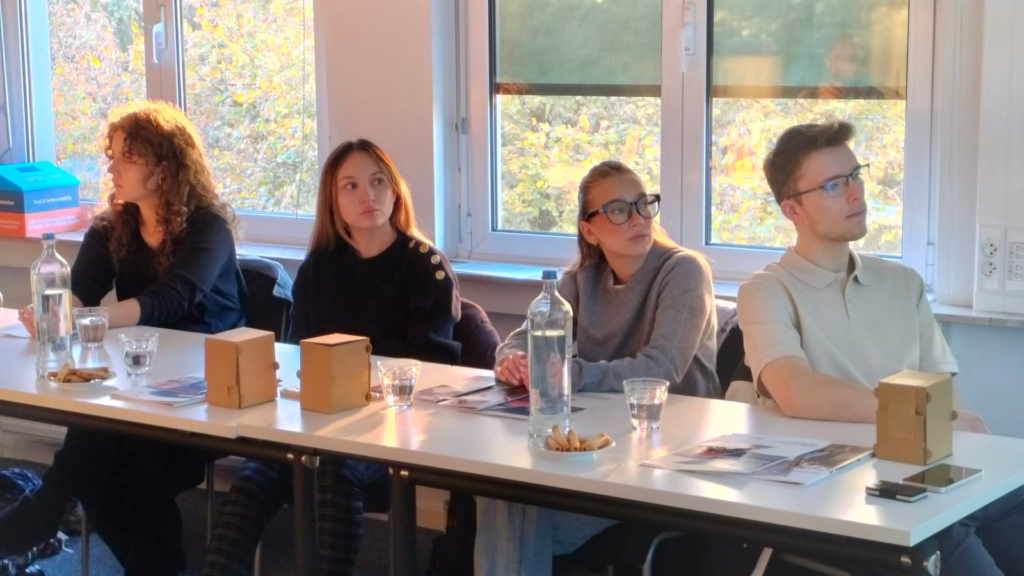
Throughout the three days, participants had plenty of opportunities to learn about each other’s organisations and compare experiences from different national housing systems.
The Early Careers Programme is designed to give trainees and early-career professionals a broader understanding of the European housing landscape, EU policymaking and the challenges facing public and social housing providers, while also creating opportunities to build professional networks across the Eurhonet community.
Thank you to all the presenters and participants who contributed to this year’s programme.