
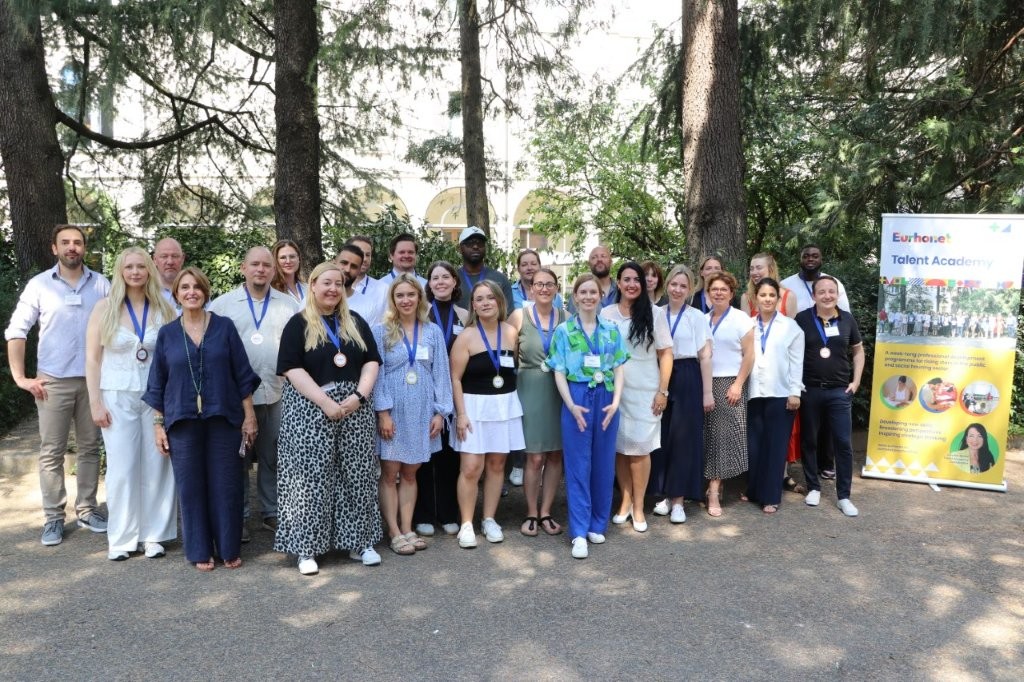
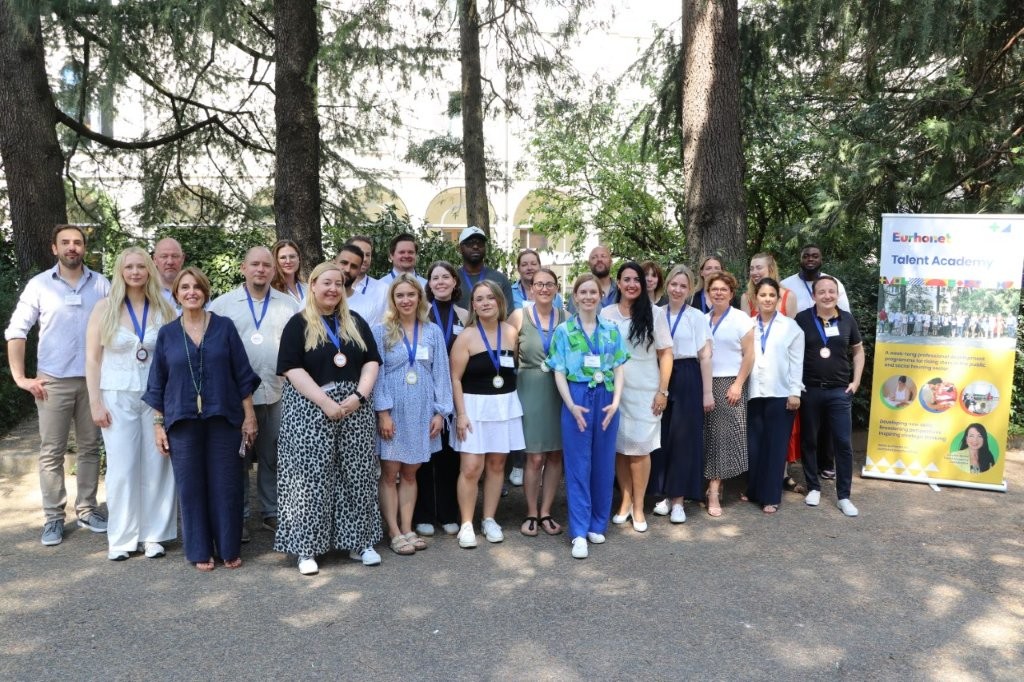
Twenty-two top talents from the public and social housing sector joined this year’s Eurhonet Talent Academy in Brescia, Italy for a week dedicated to learning, exchange, and fresh thinking on the future of living.
About the Talent Academy
Supporting employees’ professional development and wellbeing is essential. It helps build rewarding workplaces that attract and retain talent. The Eurhonet Talent Academy gives employees in the public and social housing sector the chance to learn from housing experts, CEOs, and peers across Europe. The Academy combines knowledge sharing, skills development, and international exchange. Participants can step outside their daily roles, work with colleagues from different organisations, and explore new approaches to shared challenges in the sector.
Shaping services for the future of living
Each year, the Talent Academy focuses on a key issue for public and social housing providers. This year’s edition explored the theme: “The housing company as a service provider: which services shape the future of living?”
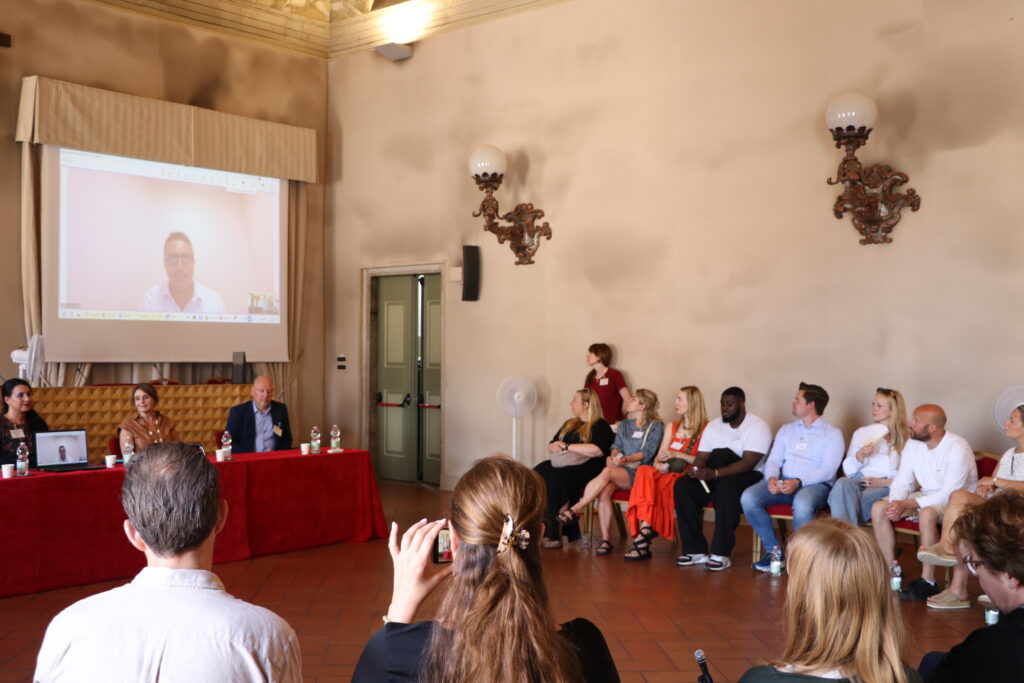
Participants worked in small groups with colleagues from different countries and disciplines. Together, they explored how housing companies can use smart, easy-to-implement services to meet the needs of modern tenant generations and create real economic value. Bringing together different professional backgrounds and national perspectives helped shape a broad range of ideas throughout the week.
From housing provision to service innovation
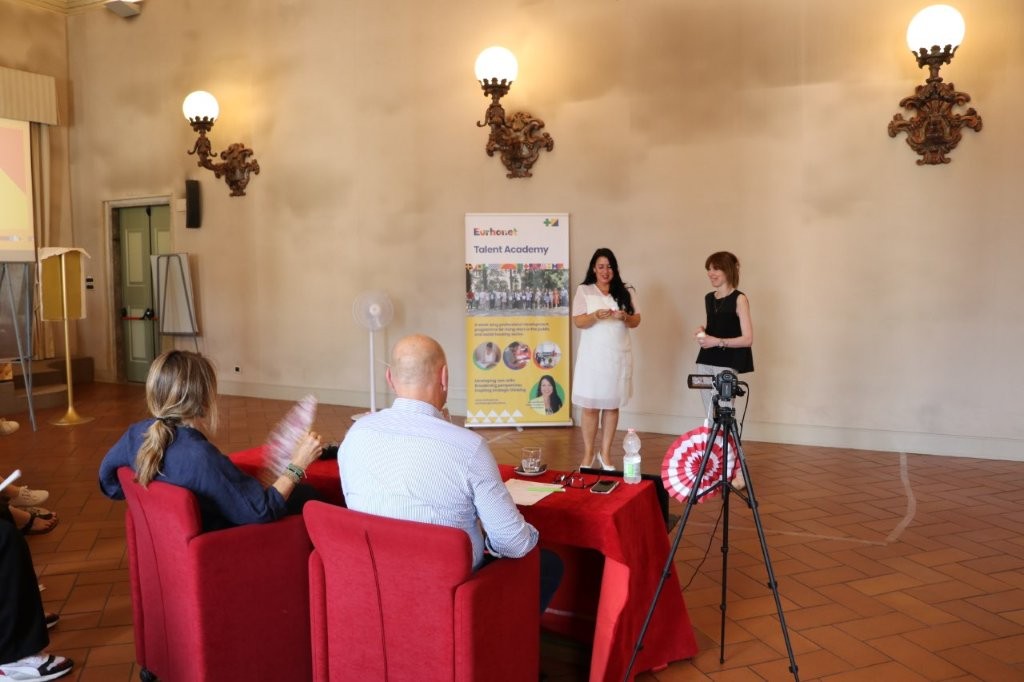
Taking on the role of a consulting company, the teams developed concepts that looked beyond traditional housing provision. In doing so, they considered how public and social housing organisations can respond to changing tenant expectations, while also identifying services that are practical, valuable, and economically sustainable.
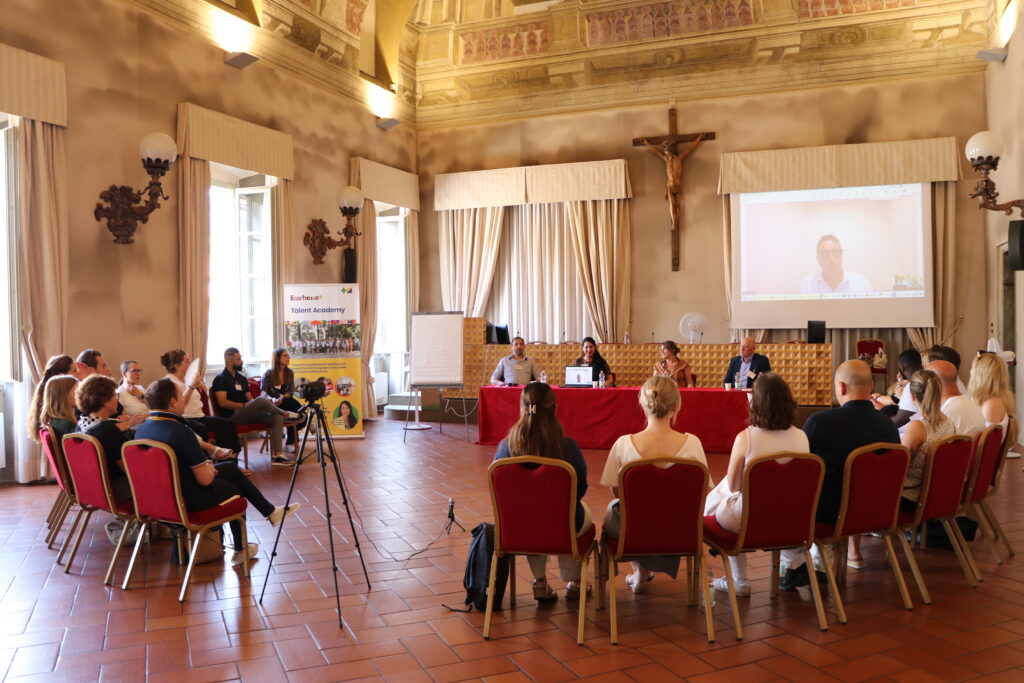
In addition to the group work, participants took part in seminars, study visits, and skills workshops designed to support their professional development. The Talent Academy also offered space to network with peers from different European countries and exchange experiences across organisations.
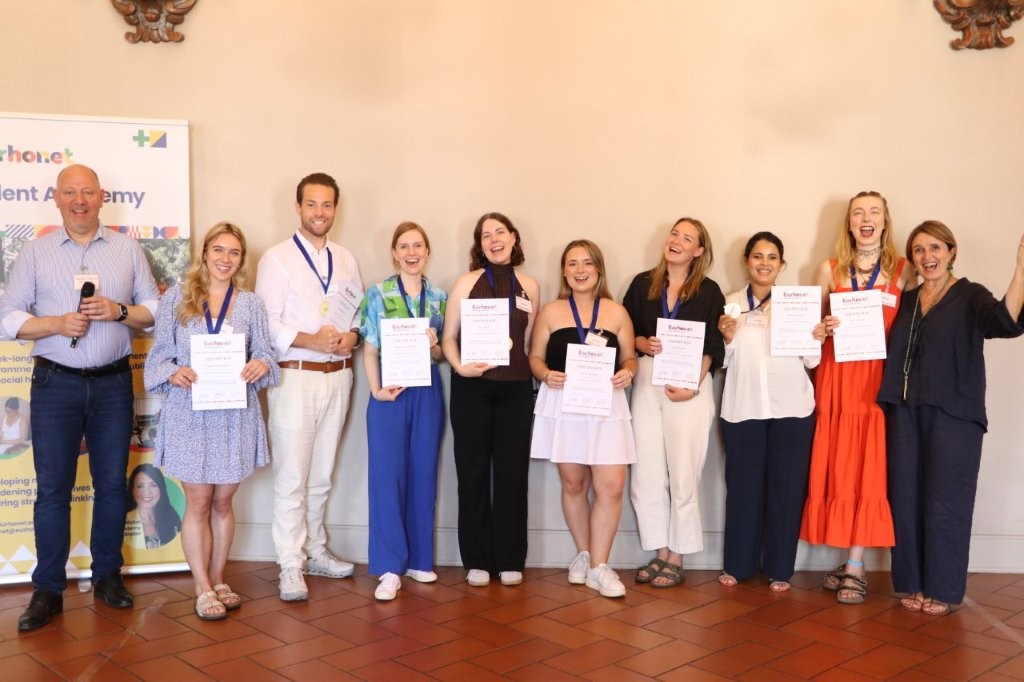
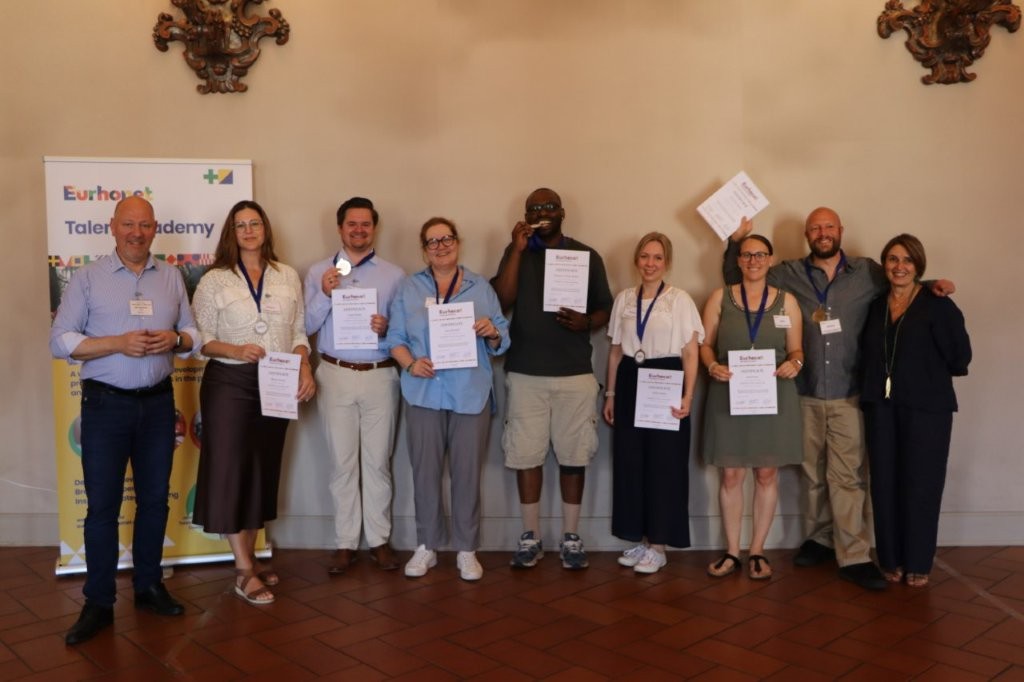
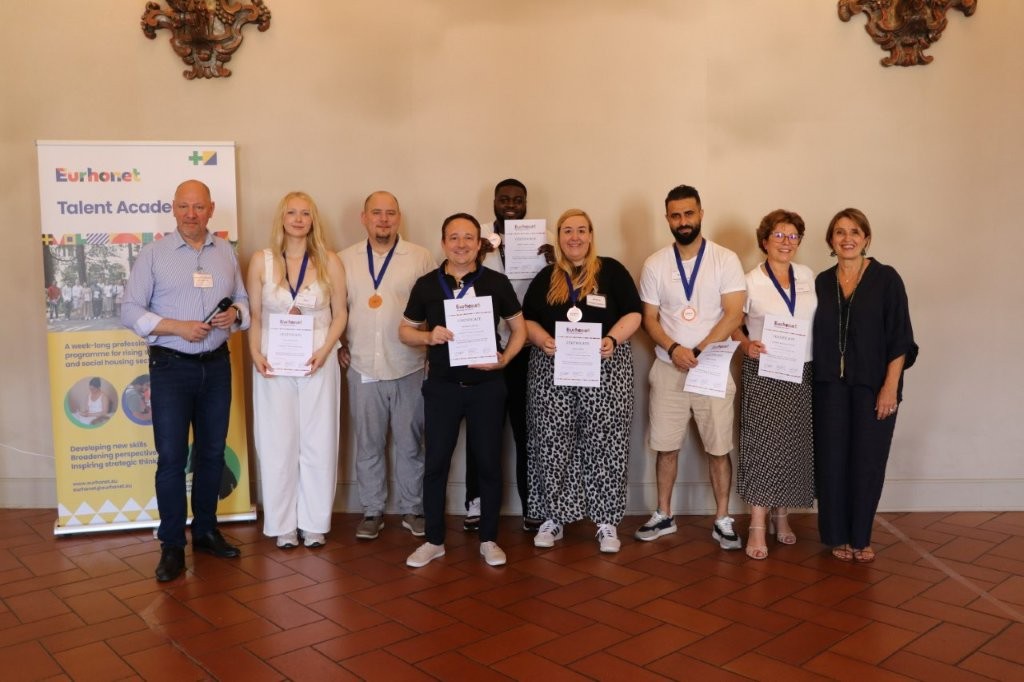
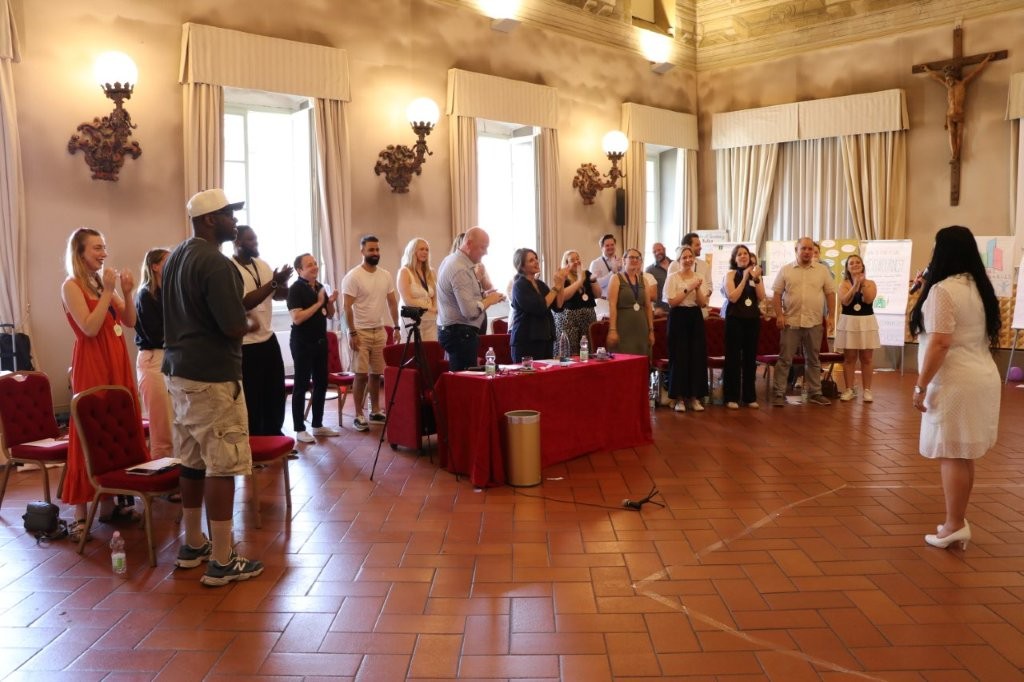
To conclude the week, the teams put their learning into practice by presenting their concepts to a professional jury. They received feedback from CEOs in public and social housing, who brought strategic insight and sector expertise to the discussion.
Overall, the week showed the value of collaboration, creativity, and stepping outside familiar ways of working. Participants brought energy and curiosity to the challenge, developing engaging concepts that reflected both the evolving needs of tenants and the future role of housing companies as service providers.